Garlic, Hawthorn and Hibiscus: The Interaction Checklist Nobody Prints
Quick Answer: Which Circulation Herbs Interact With Medication?
Four of them, in ways that matter. Garlic has a measurable antiplatelet effect and is on most surgical stop-lists. Hawthorn can potentiate blood-pressure and heart medication. Hibiscus lowers blood pressure and can stack with antihypertensives. Buchu and juniper are diuretics and add to a prescribed diuretic's effect. None of these is a reason to panic; all of them are a reason to tell your doctor and your surgeon what you take.
- Before surgery: most guidance says stop herbal supplements 1–2 weeks ahead.
- On warfarin or a DOAC: garlic is the one to raise first.
- On blood-pressure medication: hawthorn and hibiscus can add to the effect.
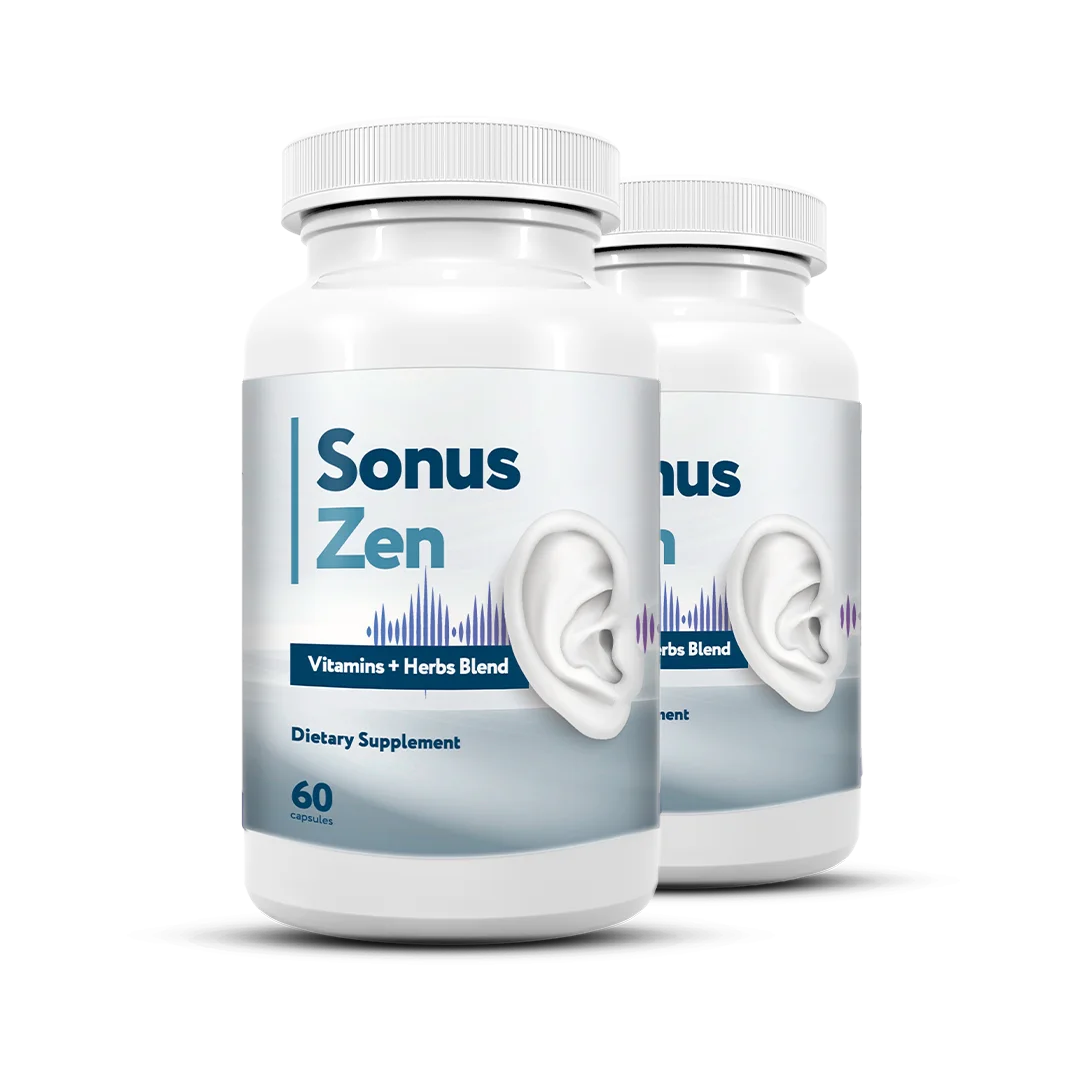
Why “natural” says nothing about interaction risk
The botanicals in a circulation formula were selected precisely because they act on the cardiovascular system. An ingredient potent enough to nudge blood pressure is potent enough to add to a drug that does the same thing. That is not a flaw in the formula; it is the logical consequence of it working at all.
The practical problem is that supplement labels carry a generic caution — consult a physician if you have a medical condition — without saying which ingredient to ask about. So here is the specific list.
Garlic: the antiplatelet one
Garlic's allicin-derived compounds inhibit platelet aggregation. In practice that means it can add to aspirin, clopidogrel, warfarin and the direct oral anticoagulants, and it is the ingredient most often named on pre-operative “stop taking” lists. Anaesthesia guidance commonly asks patients to discontinue herbal supplements one to two weeks before an operation, and garlic is a standard example of why.
If you take an anticoagulant or antiplatelet drug, this is the first thing to mention. Not because 150 mg of garlic powder will cause a bleed on its own, but because your clinician is the person who should be making that judgement with the rest of your medication in front of them. Garlic is rarely the only bleeding-risk botanical in a hearing routine either — Ginkgo biloba carries the same caution, as the safety section of our Ginkgo biloba and EGb 761 evidence review explains.
Hawthorn: cardiac and blood-pressure medication
Hawthorn has been studied as an adjunct in mild heart failure and is generally well tolerated. The interaction concern is additive: it may amplify the effect of digoxin, beta-blockers, nitrates, calcium-channel blockers and other antihypertensives. Anyone with a diagnosed heart condition should treat hawthorn as something to clear with a cardiologist, not something to add quietly. The reason these cardiovascular botanicals turn up in an ear formula at all is the single-artery blood supply to the cochlea, which we unpack in why hearing supplements are full of blood-pressure herbs.
Hibiscus: real blood-pressure activity
Hibiscus has some of the better human blood-pressure data of any botanical in this class, which is exactly why it deserves a mention if you are already medicated. There is also some evidence of interaction with hydrochlorothiazide and with a few other drugs at the metabolic level. If your blood pressure is controlled by medication, adding something with independent blood-pressure activity is a change worth telling your prescriber about.
The five-line version to take to your appointment
| Ingredient | Raise it if you... |
|---|---|
| Garlic | take an anticoagulant or antiplatelet, or have surgery booked |
| Hawthorn | take heart or blood-pressure medication, including digoxin |
| Hibiscus | take antihypertensives or a thiazide diuretic |
| Buchu / juniper | take a prescribed diuretic, or have kidney disease |
| Green tea extract | take warfarin (vitamin K content) or are sensitive to caffeine |
The conversation that actually works
Do not ask “is this supplement safe”. Bring the bottle, or a photograph of the Supplement Facts panel, and ask “does anything on this list interact with what you have me on”. A pharmacist can answer that in two minutes and it is free. Roughly half of people who take supplements never mention them at a medical appointment, and that silence is where almost every avoidable interaction lives. Bring the sleep aids to that conversation too: melatonin has its own anticoagulant and blood-pressure cautions, which we list alongside the evidence in our guide to melatonin, tinnitus and sleep.
Medical note: this article is general information, not a substitute for a pharmacist or physician reviewing your own medication list. If you take prescription drugs or have surgery scheduled, get the interaction check done before you start anything new.
Scientific references
Frequently asked questions
Does garlic interact with blood thinners?
Garlic has an antiplatelet effect and can add to aspirin, clopidogrel, warfarin and direct oral anticoagulants. It appears on standard pre-operative discontinuation lists. Anyone on an anticoagulant should clear a garlic-containing supplement with their clinician first.
Should I stop supplements before surgery?
Common anaesthesia guidance is to stop herbal supplements one to two weeks before an operation, because several — garlic, ginkgo, ginseng and vitamin E among them — affect bleeding or interact with anaesthetic agents. Tell your surgical team everything you take.
Can hawthorn be taken with blood pressure medication?
Only with medical advice. Hawthorn may amplify the effect of antihypertensives, beta-blockers, nitrates, calcium-channel blockers and digoxin. The concern is additive effect rather than toxicity, but it needs a prescriber's judgement.
Do people tell their doctor about supplements?
Often not. Surveys repeatedly find that a large share of supplement users never mention them at medical appointments, which is where most avoidable interactions come from. Bringing the bottle or a photo of the label solves it in two minutes.
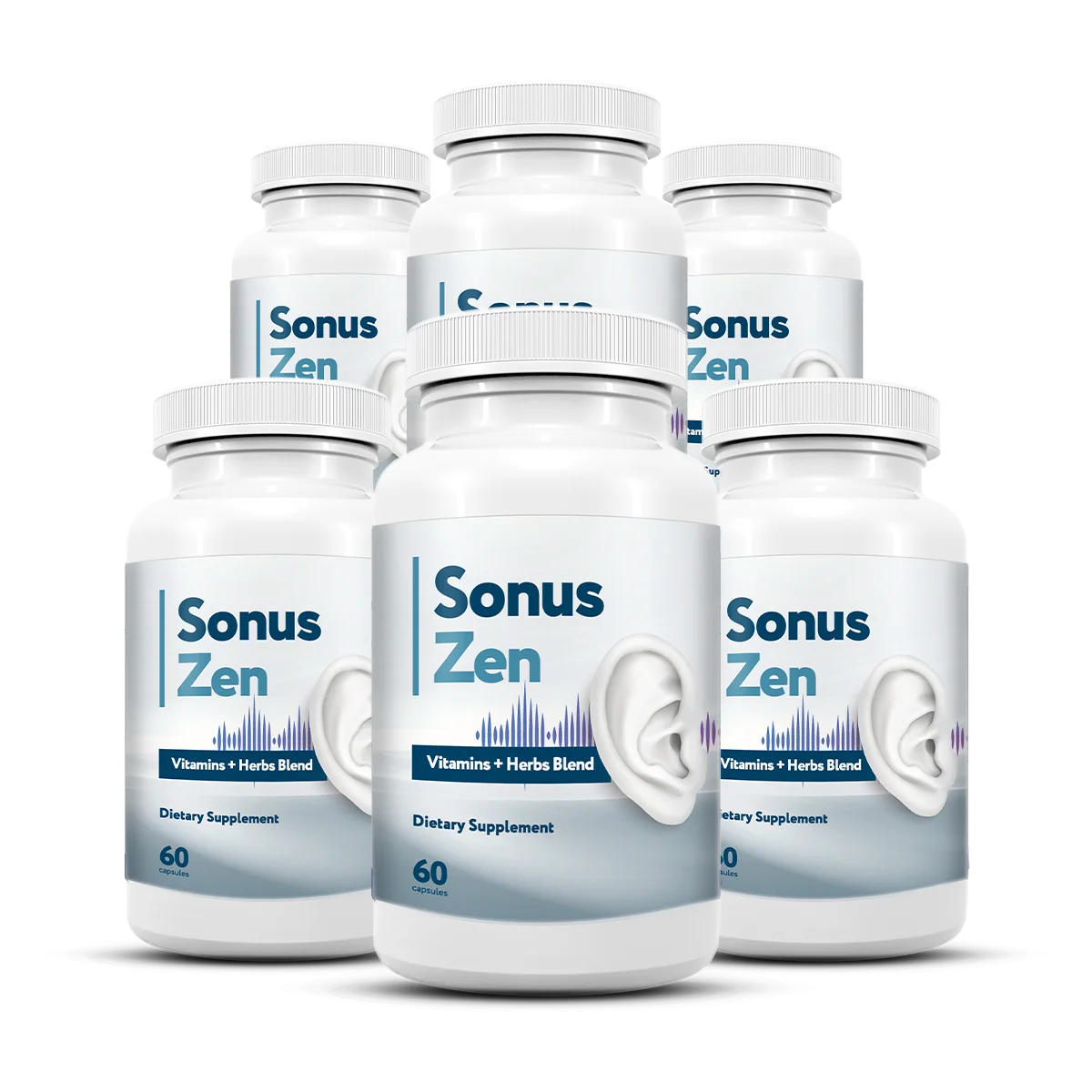
Read the full SonusZen ingredient breakdown
Every botanical in the formula with its amount from the label, what it is actually studied for, and the interactions worth raising with a clinician.
Read the SonusZen Review