Tinnitus and Ginkgo Biloba: What the EGb 761 Evidence Actually Shows
Quick Answer: Does Ginkgo Biloba Help Tinnitus?
The evidence on tinnitus and ginkgo biloba is genuinely mixed, and the effects, where they show up at all, are modest. The extract that was actually studied is EGb 761, a standardized ginkgo preparation, not the generic powder on most shelves. Its proposed mechanism is better inner-ear microcirculation plus antioxidant protection of the delicate cochlear hair cells. Ginkgo is not a cure, and it carries a real bleeding-risk interaction with blood thinners.
- What was studied: the standardized EGb 761 extract, not any random ginkgo bottle.
- Proposed mechanism: improved cochlear microcirculation and antioxidant hair-cell protection.
- Watch: ginkgo can thin the blood — a real concern with anticoagulants.
Tinnitus and ginkgo biloba: the question underneath the question
Search almost any forum thread about ringing ears and you will find someone recommending ginkgo, usually with total confidence and no dose attached. The pairing of tinnitus and ginkgo biloba has become one of those pieces of folk wisdom that gets repeated until it sounds settled. It is not settled. It is one of the most-studied botanicals in the entire hearing space, and the results are interesting precisely because they refuse to be tidy. Some analyses find a small benefit; broad reviews in otherwise healthy adults find essentially none. Both of those things are true at once, and understanding why is more useful than picking the headline you prefer.
The first thing to get straight is that most people asking whether ginkgo helps their tinnitus are not really asking about a plant. They are asking whether a cheap, widely available capsule can quiet a sound that nobody else can hear and that no drug reliably switches off. That is a reasonable hope. Tinnitus is exhausting, and the mainstream toolkit — sound therapy, cognitive behavioural approaches, hearing aids where hearing loss is present — manages distress rather than deletes the noise. Into that gap walks ginkgo, and the honest job of an article like this is to say what the research supports and, just as importantly, what it does not.
What EGb 761 is, and why “standardized” is the whole point
Here is the detail that quietly decides most of the argument. When researchers tested ginkgo for tinnitus, they almost always used a specific preparation called EGb 761. This is a patented extract of Ginkgo biloba leaf standardized to roughly 24% flavone glycosides and 6% terpene lactones, with the potentially irritating ginkgolic acids stripped down to trace levels. That consistency is the entire reason the studies mean anything: every participant in every trial was swallowing a chemically comparable dose.
A generic ginkgo capsule off a discount-shop shelf is a different object. Its flavone and terpene content is often unverified, sometimes a fraction of the label claim, and occasionally adulterated with cheaper fillers such as buckwheat-derived rutin to fake a flavonoid reading. Independent testing programmes have repeatedly turned up ginkgo products that miss their own specification. So when a marketing page cites “clinical studies” behind its ginkgo, the first question is simple: is this EGb 761, or is it borrowing EGb 761's reputation while selling something that was never tested? That distinction matters more than the brand name on the box.
Standardized versus generic ginkgo, side by side
| Feature | EGb 761 (studied extract) | Typical generic ginkgo |
|---|---|---|
| Flavone glycosides | Standardized to ~24% | Variable, often unverified |
| Terpene lactones | Standardized to ~6% | Variable, often unverified |
| Ginkgolic acids | Reduced to very low levels | May be elevated |
| Research backing | Used in most credible trials | Rarely tested as sold |
| Label reliability | Consistent batch to batch | Frequently misses spec |
The proposed mechanism: microcirculation and antioxidant protection
Ginkgo's story in the ear rests on two linked ideas, and both are biologically plausible rather than proven for tinnitus specifically. The first is microcirculation. The cochlea is metabolically hungry and depends on a fragile network of tiny end-vessels with no meaningful backup supply. When that flow falters, the hair cells that convert vibration into nerve signals are the first to suffer. EGb 761 has been shown in laboratory and animal work to improve blood flow through small vessels, reduce blood viscosity, and relax vascular tone. The theory is that steadier cochlear perfusion could, in principle, calm the aberrant signalling the brain interprets as ringing.
The second idea is antioxidant protection. The flavonoid fraction of ginkgo scavenges free radicals, and the inner ear is unusually vulnerable to oxidative stress from noise, ageing and ototoxic drugs. Protecting hair cells from that oxidative load is a coherent hypothesis for slowing damage. We walk through why so many hearing formulas lean on this same circulatory logic in our explainer on cochlear blood flow and the hearing supplements built around it, because ginkgo is far from the only ingredient making the argument.
Plausible is not the same as demonstrated, and this is exactly where careful readers should slow down. A mechanism that works in a petri dish or a rodent model tells you the door is not locked. It does not tell you anyone has walked through it. Human tinnitus is generated by a tangle of cochlear and central-nervous-system changes, and improving a blood-flow number does not guarantee the brain turns the volume down.
What the tinnitus trials actually show
Now the uncomfortable part. Despite decades of research, the picture is muddy. Some randomised trials of EGb 761 have reported small improvements in tinnitus loudness or the distress it causes, with the clearest signals appearing in older adults whose tinnitus travels alongside age-related cognitive complaints or dizziness. In those subgroups, ginkgo looks marginally useful. But a influential Cochrane-style review of ginkgo for tinnitus in people who were otherwise healthy found no convincing evidence that it reduced ringing at all.
Both findings can be right because they are answering different questions. A frail 74-year-old with reduced cerebral blood flow is not the same test subject as a fit 40-year-old whose tinnitus followed a loud concert. Averaging them together washes any modest effect down toward zero. Add the usual problems of tinnitus research — it is measured on subjective rating scales that move with expectation, trials used different doses and durations, and placebo responses in tinnitus are notoriously large — and you get a literature that whispers rather than shouts.
The realistic read on ginkgo and tinnitus is not “it works” or “it is useless”. It is “a modest effect may exist in a specific group, and the studies are not yet sharp enough to point at that group with confidence”.
That is a genuinely honest position, and it is worth more than a false promise. If you try ginkgo expecting silence, you will almost certainly be disappointed. If you try it as a low-stakes experiment over a couple of months, with realistic expectations and your clinician's sign-off, you are in the same territory the more careful studies occupy.
Comparing a hearing formula the honest way
If you are weighing ginkgo against a full hearing-support blend, read the Supplement Facts panel before the sales copy — the standardization and the amounts tell you far more than the adjectives do.
See the Official SonusZen OfferDose and standardization matter more than the brand
If you and a healthcare professional decide ginkgo is worth a trial, the numbers from the research are your anchor. EGb 761 studies typically used 120 to 240 milligrams of the standardized extract per day, usually split into two doses, taken for a minimum of eight to twelve weeks. Nobody in the credible literature took it for three days and reported a verdict; the proposed circulatory effect is cumulative, not acute.
But the milligram figure is the second most important thing on the label. The most important is the standardization statement. A capsule that says “500 mg ginkgo” with no percentage of flavone glycosides or terpene lactones is telling you a weight, not a dose of anything active. Two products at the same milligram count can differ five-fold in the compounds that matter. This is the same lesson we hammer on across the site: the amount and the form on the panel decide whether a supplement is a real product or a costume. Chasing a familiar brand name is a weaker strategy than reading for “standardized to 24% flavone glycosides, 6% terpene lactones”.
The bleeding-risk interaction you cannot ignore
This is the section that turns ginkgo from a harmless-sounding herb into something you clear with a professional first. Ginkgo can inhibit platelet aggregation — in plain terms, it can make blood slower to clot. On its own, in a healthy person, that is rarely a problem. Stacked on top of a blood thinner, it becomes one.
Combining ginkgo with warfarin, aspirin, clopidogrel, the newer direct oral anticoagulants such as apixaban or rivaroxaban, or even high-dose fish oil can raise the risk of bleeding, and case reports have described spontaneous bleeding episodes linked to ginkgo use. Anyone scheduled for surgery is usually told to stop ginkgo one to two weeks in advance for the same reason. If you take any antiplatelet or anticoagulant medication, have a bleeding disorder, or are pregnant, ginkgo is not a “why not” supplement — it is a “ask first” one. Our drug-interaction checklist for garlic, hawthorn and other circulatory botanicals walks through how to have that conversation with a pharmacist. The same caution belongs on anything else you take at bedtime for the ringing: melatonin carries its own anticoagulant and blood-pressure notes, set out in our guide to melatonin for tinnitus and sleep.
Medical note: a sudden change in hearing, tinnitus in only one ear, or ringing paired with dizziness, ear pain or discharge needs a clinician, not a supplement. And if you take a blood thinner or antiplatelet drug, do not add ginkgo without clearing it with your prescriber first — the bleeding-risk interaction is real.
Where SonusZen fits — and where it does not
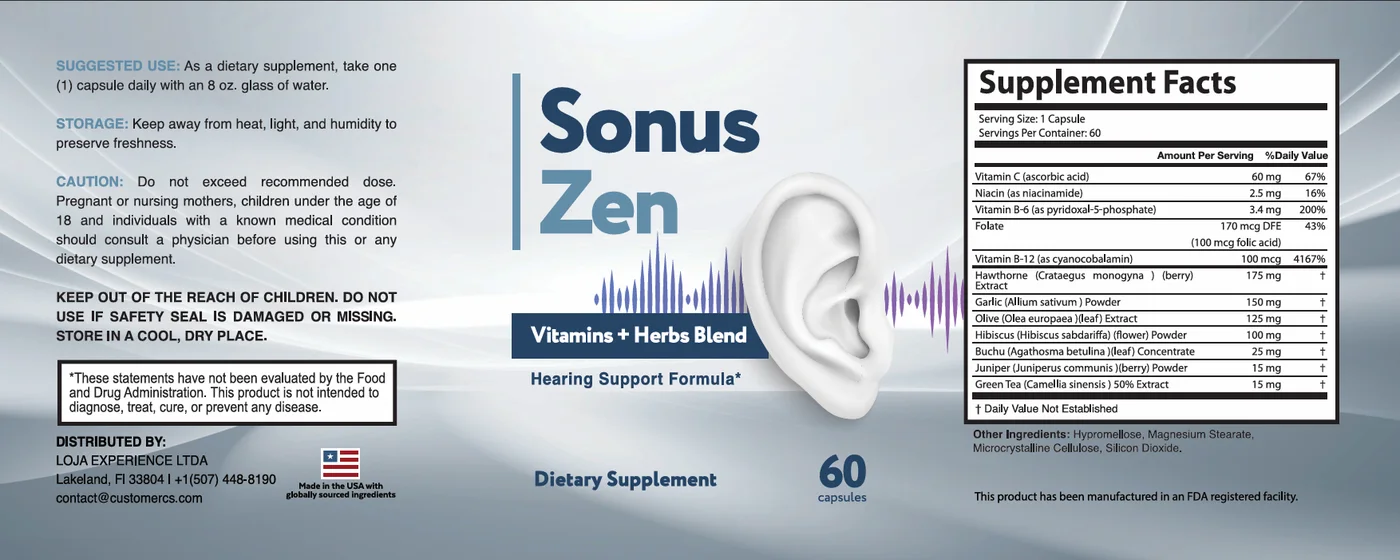
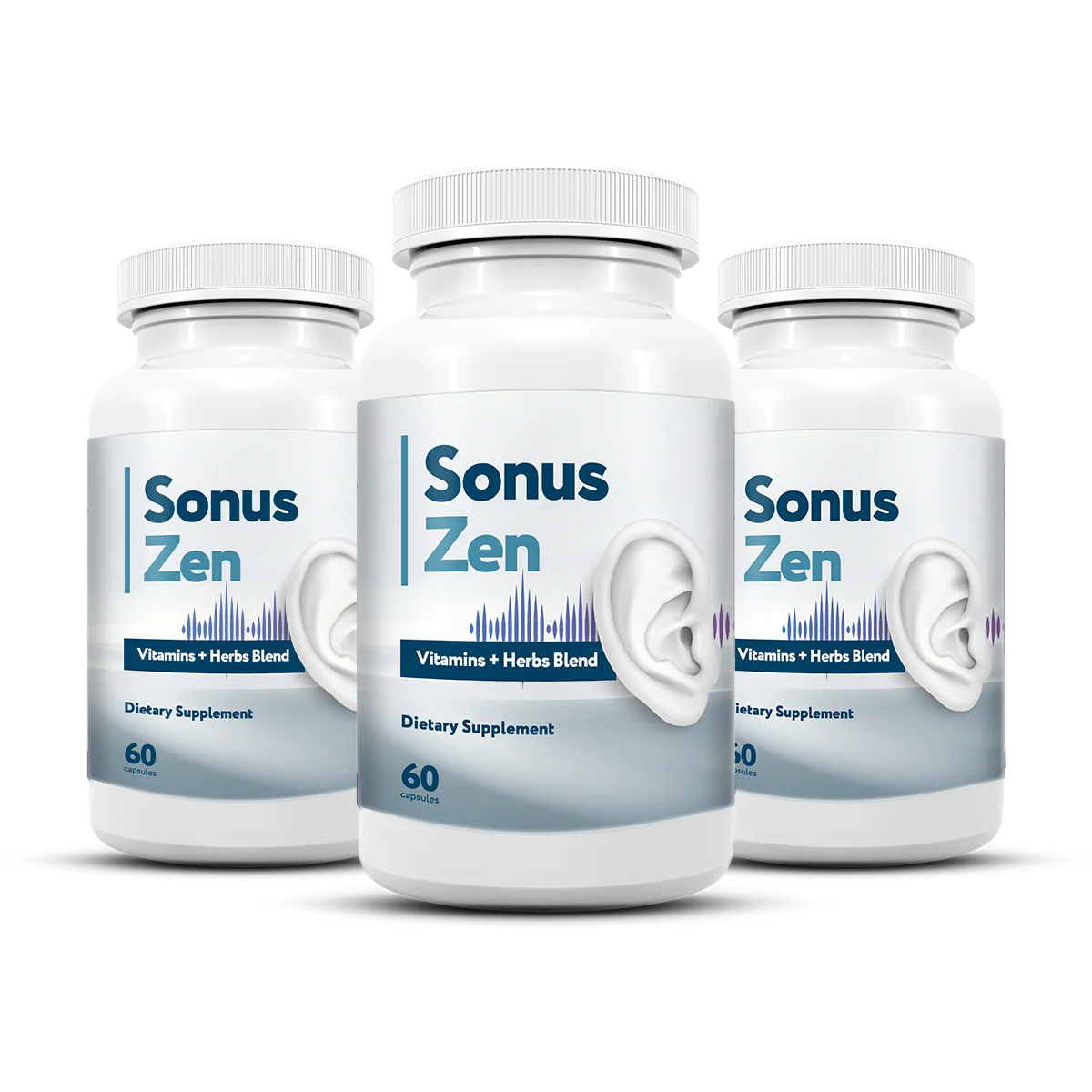
Worth stating plainly, because assumption is the enemy in this category: SonusZen does not contain ginkgo biloba. Its panel runs vitamin C, niacin as niacinamide, vitamin B-6 as P5P, folate and vitamin B-12, alongside seven botanicals — hawthorn berry, garlic, olive leaf, hibiscus, buchu, juniper and green tea. If you came here hoping we would tell you SonusZen is a ginkgo product, it is not, and pretending otherwise would defeat the point of the site.
What is interesting is that SonusZen is chasing the same target ginkgo aims at — cochlear microcirculation and antioxidant protection — by a different road. The B-vitamin trio works on homocysteine metabolism, which is tied to vascular health, while hawthorn, garlic and olive leaf are traditional circulatory and blood-pressure botanicals, and green tea contributes polyphenol antioxidants. Neither ginkgo nor this botanical stack has a trial proving restored hearing, and anyone shopping honestly should hold both to the identical standard: which ingredient was tested with hearing as the measured outcome, at what standardized dose, and does the page claim support or claim a cure? That question sorts the whole shelf faster than any brand loyalty.
If your specific interest is the standardized-extract logic behind ginkgo, the practical takeaway is portable: buy for standardization, dose to the studied range, give it two to three months, keep your expectations modest, and never bolt it onto a blood thinner without professional sign-off.
Frequently asked questions
Does ginkgo biloba help tinnitus?
The honest answer is that it might help a little for some people and not at all for most, and the evidence cannot yet tell those groups apart reliably. Trials of the standardized EGb 761 extract have reported modest reductions in tinnitus loudness or distress in some analyses, especially where tinnitus sits alongside age-related cognitive complaints, while broad reviews of ginkgo for tinnitus in otherwise healthy adults have found no convincing benefit. It is not a cure and should not replace an audiology assessment.
What is EGb 761 and why does it matter?
EGb 761 is a specific, patented ginkgo leaf extract standardized to roughly 24 percent flavone glycosides and 6 percent terpene lactones, with ginkgolic acids reduced to very low levels. Almost all of the credible ginkgo research uses this exact preparation, so results from EGb 761 studies do not automatically transfer to a random bottle of generic ginkgo powder that has a different, unverified composition. When people say ginkgo was studied for tinnitus, they nearly always mean EGb 761.
How much ginkgo biloba should I take for ringing ears?
The doses used in EGb 761 tinnitus research were typically 120 to 240 milligrams of the standardized extract per day, usually split into two doses and taken for at least eight to twelve weeks, because any circulatory effect builds slowly rather than overnight. Standardization to 24 percent flavone glycosides and 6 percent terpene lactones matters more than the milligram number, since an unstandardized product may contain far less active material than the label implies. Discuss dosing with a clinician first.
Is ginkgo biloba safe with blood thinners?
This is the interaction to take seriously. Ginkgo can reduce platelet aggregation, so combining it with warfarin, aspirin, clopidogrel, the newer direct oral anticoagulants, or even high-dose fish oil may raise bleeding risk. People scheduled for surgery are usually advised to stop ginkgo one to two weeks beforehand. If you take any blood thinner or antiplatelet drug, do not add ginkgo without clearing it with your prescriber or pharmacist first.
Scientific references
Related reading
- Cochlear blood flow and why hearing supplements are full of circulation herbs
- A garlic and hawthorn drug-interactions checklist before you combine botanicals
- Your Supplement Says 4,167% Daily Value of B-12. Should You Worry?
- Best Tinnitus Supplement 2026: A Buyer's Guide That Reads the Label For You
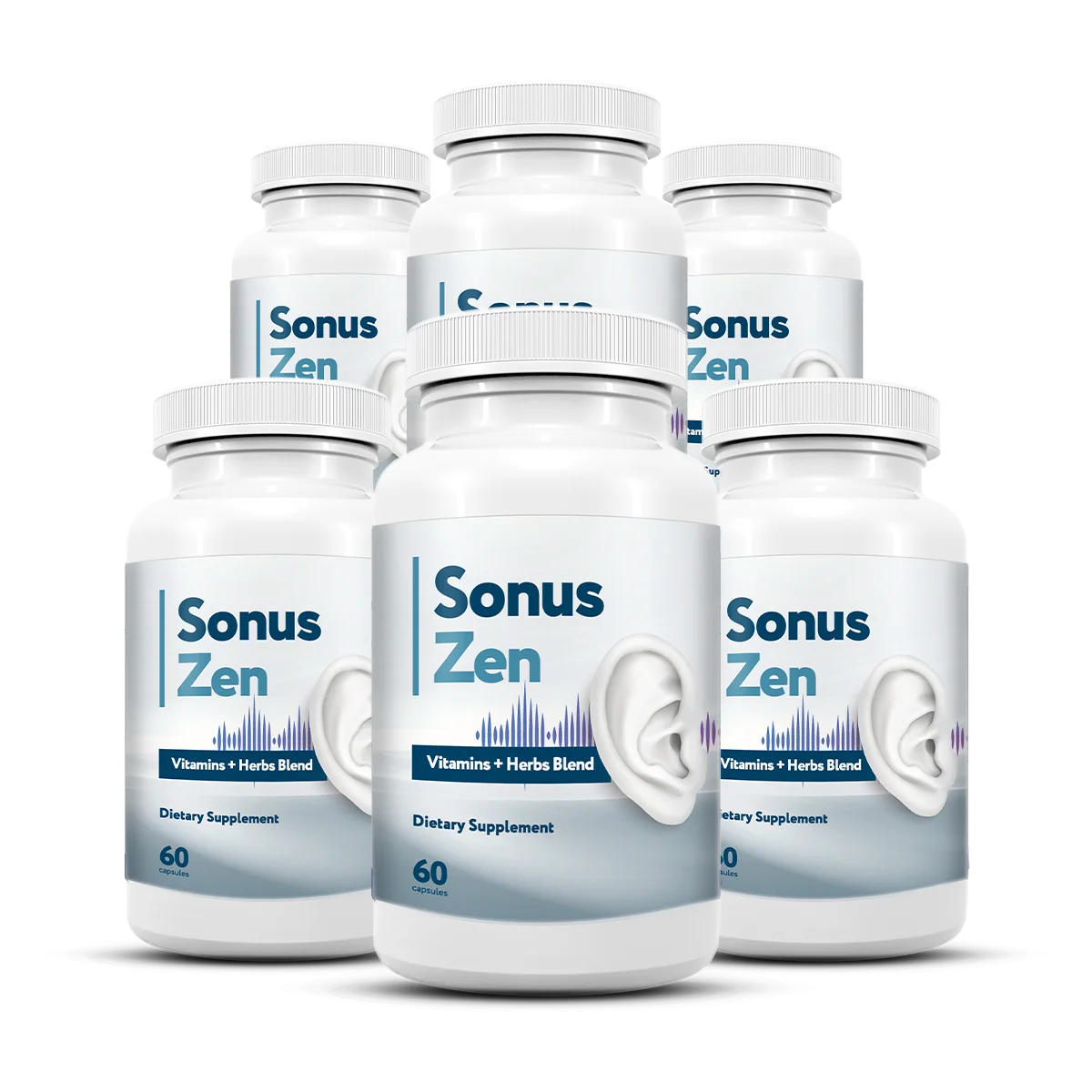
See the full SonusZen panel and pack options
Every amount taken straight from the label, the microcirculation-and-antioxidant logic behind each botanical, and where to buy SonusZen through the official store rather than a marketplace listing.
Check Availability and Pack Options