Zinc Supplement Hearing Loss: Dose, Safety and What the Studies Show
Quick Answer: Does a Zinc Supplement Help Hearing Loss?
Zinc is genuinely essential to the inner ear, but taking extra zinc has not been shown to restore hearing in people whose zinc status is already normal. The clearest use for supplemental zinc is correcting a measured deficiency; beyond that, the trials in tinnitus and sudden hearing loss have been small, inconsistent and mostly inconclusive. Adults need 8–11 mg a day and should stay under the 40 mg upper limit from all sources unless a clinician says otherwise.
- Solid: zinc is concentrated in cochlear tissue and deficiency is worth correcting.
- Weak: zinc for tinnitus — small trials, mixed results, no clear benefit.
- Watch: above 40 mg a day, zinc starts blocking copper absorption.
Why zinc turns up in hearing conversations at all
Zinc is an essential trace mineral involved in the activity of hundreds of enzymes, and the inner ear is one of the tissues where it concentrates. Copper-zinc superoxide dismutase, one of the body's front-line antioxidant enzymes, sits in cochlear tissue and depends on zinc to function. Zinc is also present in the organ of Corti and appears to participate in synaptic signalling along the auditory pathway. Animals raised on zinc-deficient diets show measurable changes in auditory brainstem responses.
That is a real biological footing, and it is more than several fashionable hearing ingredients can claim. But there is a step in the argument that marketing tends to skip. Establishing that a nutrient is required proves that too little of it causes problems. It does not prove that more of it produces benefit in someone who already has enough. Iron, calcium and vitamin A are all essential too, and taking surplus amounts of any of them is a bad idea rather than a bonus.
So the honest question is narrower than the headline. Not “is zinc important for hearing” — it plainly is — but “does adding zinc to a diet that already supplies enough change what a person hears”. That is the question the trials have tried to answer, and the answer so far is disappointing.
Where the zinc supplement hearing loss idea comes from
Three separate threads got braided together into the confident zinc supplement hearing loss claim you now see on retail pages, and they are worth pulling apart individually.
The deficiency thread. Severe zinc deficiency is uncommon in countries with a varied food supply, but marginal status is more plausible in specific groups: older adults with a reduced appetite, people eating largely plant-based diets where phytates bind zinc, people with malabsorption conditions or chronic diarrhoea, people who have had bariatric surgery, and people on long-term diuretics that increase urinary zinc losses. Older adults happen to be the same group most affected by age-related hearing loss, so the two overlap demographically. Overlap is not causation, but it is exactly the kind of overlap that invites a causal story.
The sudden hearing loss thread. A handful of small studies have reported lower serum zinc in patients presenting with sudden sensorineural hearing loss, and a few small trials added zinc to standard corticosteroid treatment. These studies are small, use different protocols and different recovery definitions, and have not changed clinical practice. Nothing about them justifies treating a sudden drop in hearing with a supplement instead of a doctor — that presentation is time-critical and needs assessment within days.
The tinnitus thread. This is the biggest body of research linking zinc to the ear, and it deserves its own section.
What the tinnitus trials actually found
Zinc has been tested for tinnitus in a scatter of small randomised trials going back decades. The pooled picture is not encouraging. A Cochrane systematic evidence summary of zinc supplementation for tinnitus in adults concluded that the available trials did not demonstrate a benefit and that the evidence quality was low. That conclusion is not the same as “zinc does nothing”; it means the studies done so far are too small and too inconsistent to show anything reliable in either direction.
The reasons are worth understanding, because they recur across this whole supplement category. Tinnitus is measured with subjective rating scales, which move for many reasons including expectation. The trials used different daily doses, different zinc salts and different durations. Most did not measure participants' zinc status at baseline, so a person who was already replete and a person who was deficient were pooled into the same average. Where a signal did appear, it tended to be in older participants with lower serum zinc — which points back at deficiency correction rather than at a general effect.
Correcting a deficiency and adding surplus are two different interventions that happen to use the same bottle. Almost every confident claim in this category comes from quietly treating them as one.
Reading a hearing formula before you buy one
If you are comparing options for the best hearing loss supplement, start with the Supplement Facts panel rather than the sales page — the amounts tell you far more than the adjectives do.
See the Official SonusZen OfferHow much zinc adults actually need
The reference figures are well established and easy to work with. The recommended dietary allowance covers the needs of nearly all healthy people; the tolerable upper intake level is the daily ceiling from food and supplements combined that is unlikely to cause harm.
| Group | RDA (elemental zinc) | Upper limit per day |
|---|---|---|
| Men, 19+ years | 11 mg | 40 mg |
| Women, 19+ years | 8 mg | 40 mg |
| Pregnancy, 19+ years | 11 mg | 40 mg |
| Lactation, 19+ years | 12 mg | 40 mg |
| Teens, 14–18 years | 9–11 mg | 34 mg |
Most people who eat animal protein reach the RDA from food without trying. Oysters are far and away the densest source; beef, crab, pork, poultry, and fortified breakfast cereals all contribute meaningfully. Pumpkin seeds, cashews, chickpeas, lentils and whole grains contain zinc too, but phytate in those foods binds part of it, which is why plant-forward eaters may need somewhat more than the headline RDA to absorb the same amount. Soaking, sprouting and fermenting reduce phytate and improve availability.
The practical implication is unglamorous. If your diet already covers 11 mg, a 50 mg capsule is not five times the benefit; it is a step toward the copper problem described below. Magnesium behaves the same way on a label, with a supplemental ceiling that is separate from dietary intake — the arithmetic is worked through in our magnesium glycinate dose guide for tinnitus.
Zinc forms on a label, and what the number really means
The most common labelling trap in this category is the difference between the weight of the zinc compound and the weight of the zinc itself. Thirty milligrams of zinc gluconate is not thirty milligrams of zinc. A well-made panel states elemental zinc; a poorly made one leaves you guessing. Approximate elemental content by form:
| Form | Approx. elemental zinc | Notes on use |
|---|---|---|
| Zinc gluconate | ~14% | Common in lozenges and capsules; well tolerated |
| Zinc picolinate | ~21% | Popular chelate; head-to-head data is thin |
| Zinc acetate | ~30% | Used in lozenge research |
| Zinc citrate | ~34% | Soluble, mild taste |
| Zinc sulfate (monohydrate) | ~36% | Cheapest; most likely to cause nausea on an empty stomach |
| Zinc oxide | ~80% | High on paper, least soluble in practice |
Claims that one chelate is dramatically better absorbed than another are mostly marketing built on a small number of dated comparisons. The soluble forms all get absorbed reasonably; zinc oxide is the outlier at the low end. Absorption also falls as the dose rises, which is another reason large single doses buy less than the label implies. Zinc taken on an empty stomach causes nausea in a fair number of people, so take it with a meal — but not the same meal as a high-dose calcium or iron supplement, which compete with it.
The safety side people skip: copper, smell and antibiotics
Zinc's most important interaction is with copper. Zinc and copper compete for the same absorption pathway in the gut, and sustained high zinc intake induces a protein that traps copper in intestinal cells and carries it back out with them. Long-running intakes well above the 40 mg ceiling can therefore produce copper deficiency, which shows up as anaemia that does not respond to iron, low white cell counts, and in prolonged cases neurological symptoms including numbness and gait problems. Documented cases have come from high-dose supplements and, notably, from heavy long-term use of zinc-containing denture creams.
Two other safety points are worth stating plainly. Zinc applied inside the nose has been associated with lasting loss of smell, and intranasal zinc products drew regulatory warnings for exactly that reason — there is no reason to put zinc in your nose. And zinc binds several drugs in the gut: quinolone and tetracycline antibiotics and penicillamine are all absorbed less well when taken with zinc, so separate the doses by a couple of hours and mention the supplement to your pharmacist. Thiazide diuretics push zinc out in the urine, which is one of the few genuinely good reasons an older adult might end up short.
Medical note: a sudden drop in hearing, especially in one ear, is a medical emergency and needs a clinician within days — the treatments that work are time-critical. Persistent tinnitus, ear pain, discharge or dizziness also warrant assessment. Do not wait to see whether a supplement makes a difference.
What a zinc supplement cannot do
The zinc supplement hearing loss pitch almost never includes this list, so here it is without softening. No zinc product has been shown to reverse sensorineural hearing loss. The hair cells of the cochlea do not regenerate in humans, and no dietary supplement changes that. Zinc will not clear impacted earwax, will not affect otosclerosis or a perforated eardrum, will not undo noise damage already done, and will not counteract the effects of ototoxic medication.
Zinc also cannot be assumed to help someone whose zinc status is already adequate, which describes most people eating a mixed diet in a country with a fortified food supply. If you suspect deficiency, that is a blood test and a conversation, not a guess. And zinc is not a substitute for the interventions that reliably change day-to-day hearing: an audiogram, hearing aids where they are indicated, treating middle-ear problems, and protecting the hearing you still have from loud noise.
What zinc can reasonably do is support normal immune function and normal antioxidant defences at sensible intakes, and correct a genuine shortfall if you have one. That is a modest, honest claim, and it is the one the evidence supports.
How zinc compares with what SonusZen actually contains
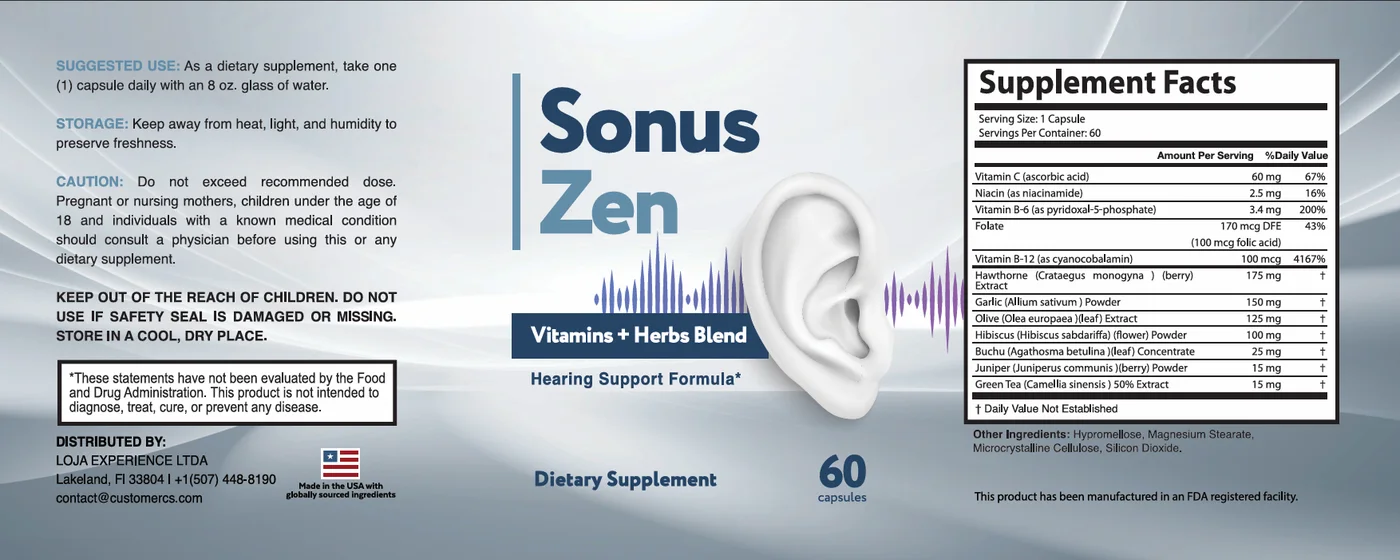
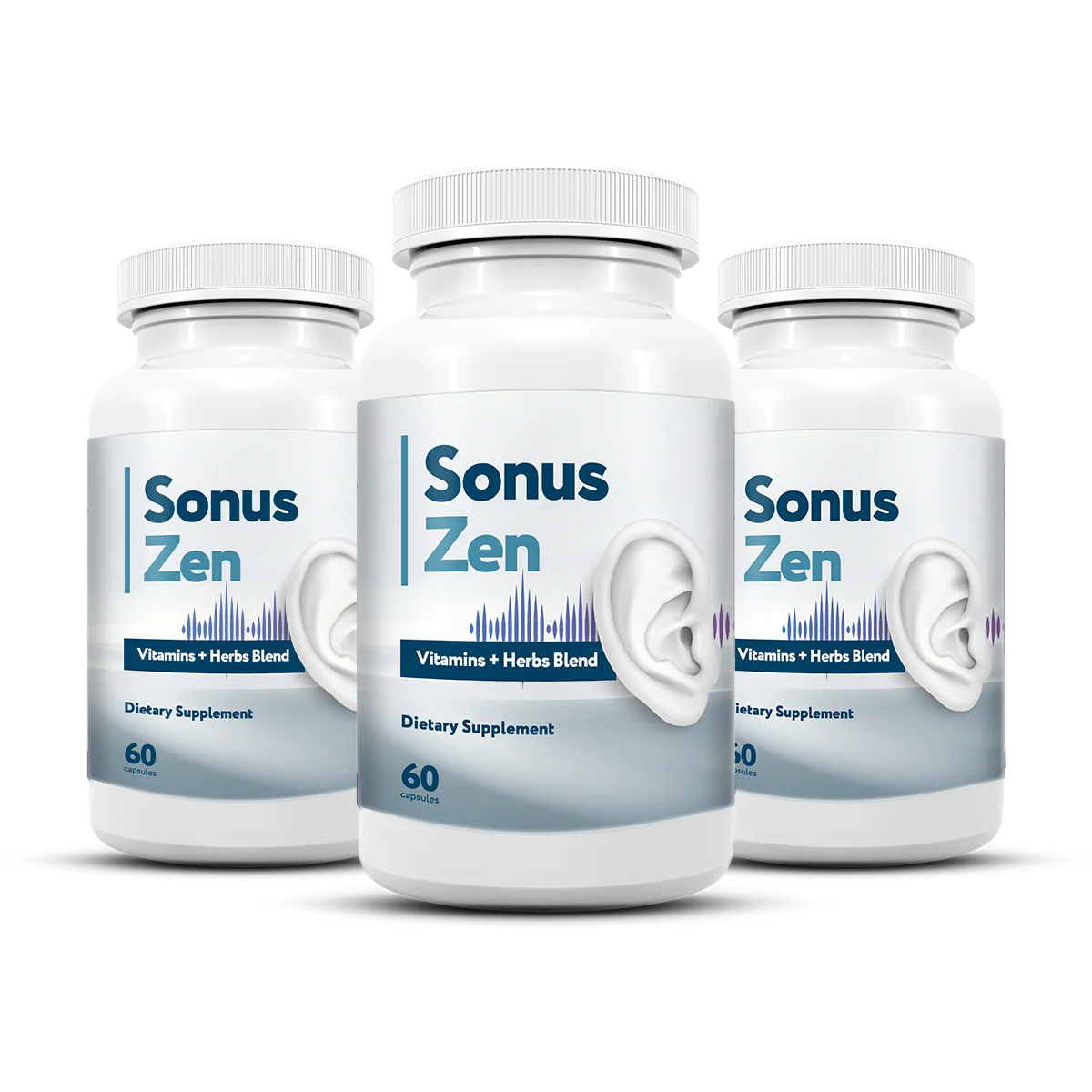
Worth saying plainly, because assumption is the enemy here: SonusZen contains no zinc. Its panel runs vitamin C, niacin as niacinamide, vitamin B-6 as P5P, folate and vitamin B-12, plus hawthorn berry, garlic, olive leaf, hibiscus, buchu, juniper and green tea. It is betting on a different mechanism entirely — homocysteine metabolism through the B-vitamin trio, and vascular tone through the botanicals, on the reasoning that the cochlea is fed by a single end artery with no backup supply. We have taken that argument apart in detail in why hearing supplements are full of blood-pressure herbs.
Neither route has a trial showing restored hearing, and anyone shopping for the best supplement for hearing health should hold both to the same standard. Ask which ingredient has been tested with hearing as the measured outcome, whether the amount on the panel is in the same range as the study being implied, and whether the page claims support or claims restoration. That last one sorts the category faster than anything else.
Anyone who arrived here from a zinc supplement hearing loss search deserves the plain version: the mineral is real, the biology is real, and the leap from those two facts to a change in your audiogram is the part nobody has demonstrated.
If you do decide to add zinc, add it deliberately: a modest elemental dose, with food, under the 40 mg ceiling, and mentioned to whoever manages your medication. It is a cheap, well-understood mineral. It is just not the hearing answer it is sometimes sold as. If you are weighing a multi-ingredient formula instead of a single mineral, our comparison of SonusZen with Tinnitus 911, Silencil and Quietum Plus shows how rarely any of them disclose an elemental amount you can check against a trial.
Frequently asked questions
How much zinc is safe to take daily?
For adults the recommended dietary allowance is 11 mg a day for men and 8 mg a day for women, and the tolerable upper intake level from food and supplements combined is 40 mg a day. Staying under that ceiling is the single most useful safety rule with zinc, because sustained intakes above it interfere with copper absorption. Higher doses belong under medical supervision, not self-prescription.
Does zinc help tinnitus?
The published trials do not support zinc as a general treatment for tinnitus. They have been small, used different doses and different rating scales, and a Cochrane systematic evidence summary concluded there was insufficient evidence that zinc improves tinnitus in adults. People with a documented zinc deficiency are a separate question from people whose zinc status is already normal.
Does SonusZen contain zinc?
No. The SonusZen Supplement Facts panel lists vitamin C, niacin as niacinamide, vitamin B-6 as P5P, folate and vitamin B-12 alongside seven botanicals: hawthorn berry, garlic, olive leaf, hibiscus, buchu, juniper and green tea. Zinc is not on that panel, so anyone who wants zinc would be taking it as a separate product.
Which form of zinc is best absorbed?
The soluble forms — zinc gluconate, citrate, picolinate, acetate and sulfate — are all absorbed reasonably well, and the differences between them are smaller than the marketing suggests. Zinc oxide is the least soluble of the common forms. What matters more is the elemental zinc figure printed on the panel and taking the capsule with food if it unsettles your stomach.
Scientific references
- NIH Office of Dietary Supplements — Zinc fact sheet for health professionals
- NIDCD — Tinnitus
- NIDCD — Age-Related Hearing Loss (Presbycusis)
- PubMed — randomised trials of zinc supplementation for tinnitus
- Harvard T.H. Chan School of Public Health — The Nutrition Source: Zinc
- Mayo Clinic — Zinc: uses, dosing and precautions
See the full SonusZen panel and pack options
Every amount taken straight from the label, the evidence behind each ingredient, and where to buy SonusZen through the official store rather than a marketplace listing.
Check Availability and Pack Options