Magnesium Glycinate for Tinnitus: A Practical Dose Guide
Quick Answer: How to Dose Magnesium Glycinate for Tinnitus
Tinnitus studies used about 200 to 400 mg of elemental magnesium daily, with some above 500 mg, but the supplement upper limit is 350 mg per day for ages nine and up. The glycinate form is gentler on the gut and better absorbed than oxide. Give it a few weeks of consistent use, and treat it as part of a broader plan, not a cure.
- Studied range: 200-400 mg elemental magnesium per day.
- Supplement upper limit: 350 mg/day from pills, not food.
- Form: glycinate is gentler and better absorbed than oxide.
Why magnesium glycinate for tinnitus keeps coming up
Of all the minerals people mention in ringing-ears forums, magnesium is the one with the most momentum right now, and searches for magnesium glycinate for tinnitus have been climbing while older remedies fade. There is a real reason behind the trend rather than pure hype. The American Tinnitus Association notes that low serum magnesium has been linked to tinnitus, and magnesium plays a genuine role in nerve signalling, blood-vessel tone and protecting cells from the kind of over-excitation and oxidative stress the inner ear is vulnerable to. That is a plausible, mechanism-based reason to be curious, and it is a far more grounded starting point than most supplement fads.
But plausible is not the same as proven, and “linked to” is not the same as “caused by” or “fixed by”. This guide takes the honest middle path: magnesium is worth understanding and, for many people, worth a careful trial, but it is not a cure, and the dose details matter enormously. Get the amount and the form right and you give yourself a fair, gentle experiment. Get them wrong and you either waste your money on a poorly absorbed pill or spend a week in the bathroom. Let us get the numbers straight.
The elemental magnesium number is the one that matters
The single most common dosing mistake is confusing the weight of the magnesium compound with the amount of actual elemental magnesium it delivers. A capsule labelled “1,000 mg magnesium glycinate” does not give you 1,000 mg of magnesium; it gives you the elemental fraction, which is much smaller. Always read the Supplement Facts panel for the elemental magnesium figure — that is the number every study and every guideline is talking about.
With that established, here is the landscape. Tinnitus research has generally used somewhere between 200 and 400 mg of elemental magnesium per day, and some protocols pushed above 500 mg. At the same time, the tolerable upper intake level for magnesium from supplements is 350 mg per day for everyone aged nine and up. Those two facts sit in obvious tension, and the resolution is important: the 350 mg cap applies only to supplemental magnesium, because pills deliver a concentrated bolus your gut handles differently from the magnesium spread through food. Food magnesium is not capped. The higher-than-350 mg doses in some studies were used under supervision, not as a self-serve suggestion.
Magnesium doses at a glance
| Reference point | Elemental magnesium |
|---|---|
| Gentle starting dose many people use | ~200 mg/day (glycinate) |
| Range used in tinnitus studies | 200-400 mg/day |
| Some study protocols | Above 500 mg/day (supervised) |
| Supplement upper limit (ages 9+) | 350 mg/day from pills |
| Cure for tinnitus? | No — part of a broader plan |
The practical takeaway: a sensible, conservative approach is to start low — around 200 mg of elemental magnesium a day from the glycinate form — stay at or below the 350 mg supplement limit unless a clinician who knows your kidney function specifically advises otherwise, and never assume that more is better. This is the same “read the amount and the form on the panel” discipline we apply across every ingredient in our guide to the vitamins for tinnitus that actually help.
Why the glycinate form, specifically
Magnesium comes bound to many different partner molecules, and the partner changes how the mineral behaves in your body. The two most relevant for this conversation are oxide and glycinate. Magnesium oxide is cheap and packs a lot of elemental magnesium per pill, which sounds good until you learn it is poorly absorbed and notorious for causing loose stools — so much so that it doubles as a laxative. You end up losing much of it before it does anything useful.
Magnesium glycinate binds magnesium to the amino acid glycine. That pairing is better absorbed and considerably gentler on the digestive system, which means you can reach a useful daily intake without the urgent bathroom trips that make people quit. For a supplement you are meant to take consistently for weeks, tolerability is not a luxury — it is the difference between a fair trial and an abandoned bottle. There is no strong evidence that any single form has a uniquely powerful anti-tinnitus effect, so absorption and comfort are the sensible tie-breakers, and on both counts glycinate wins for most people.
How long before you know if it is working?
Set your expectations here, because this is where most people misjudge magnesium. It is not an acute painkiller for your ears. If a low magnesium status is contributing to your tinnitus, correcting it is a gradual process — you are topping up a body-wide mineral pool, not taking a fast-acting drug. Give it at least a few weeks of consistent daily use, and realistically four to eight weeks, before you decide whether it is doing anything.
The smartest thing you can do is measure. Before you start, jot down how loud and how bothersome your ringing is, ideally on a simple 0-to-10 scale at a consistent time of day. Then check again at the four and eight-week marks. Memory is a terrible instrument for something as fluctuating as tinnitus, which naturally waxes and wanes with sleep, stress and caffeine. Comparing written notes protects you from both false hope and premature disappointment, and it gives you and your clinician something concrete to discuss at a review date.
Prefer minerals and blood-flow support in one daily capsule?
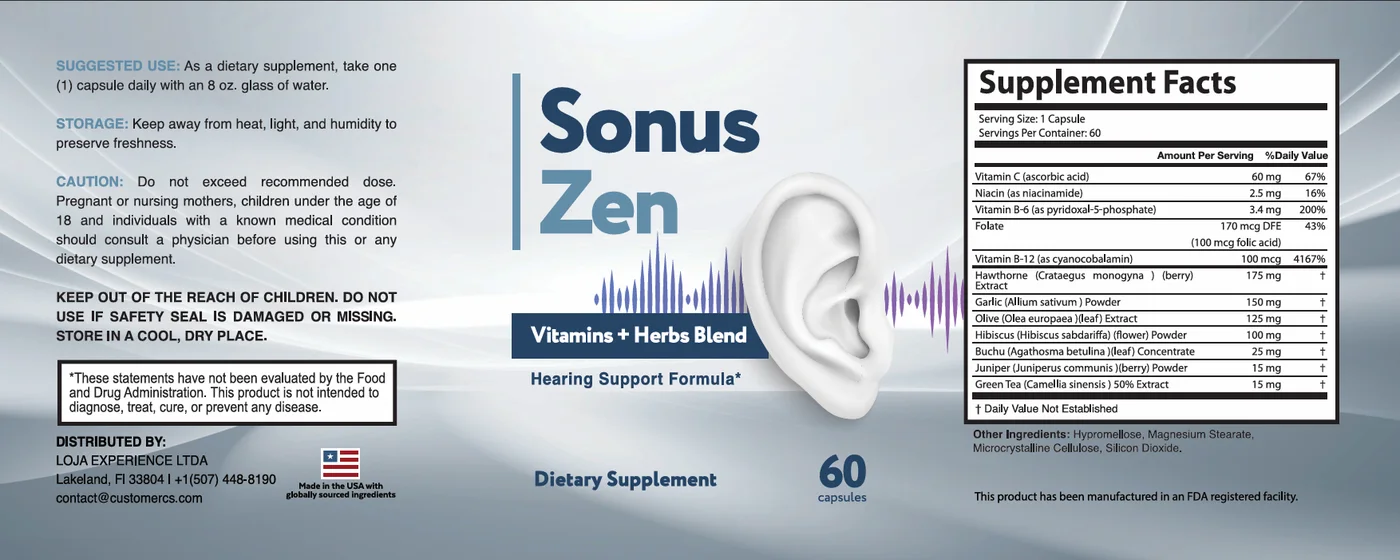
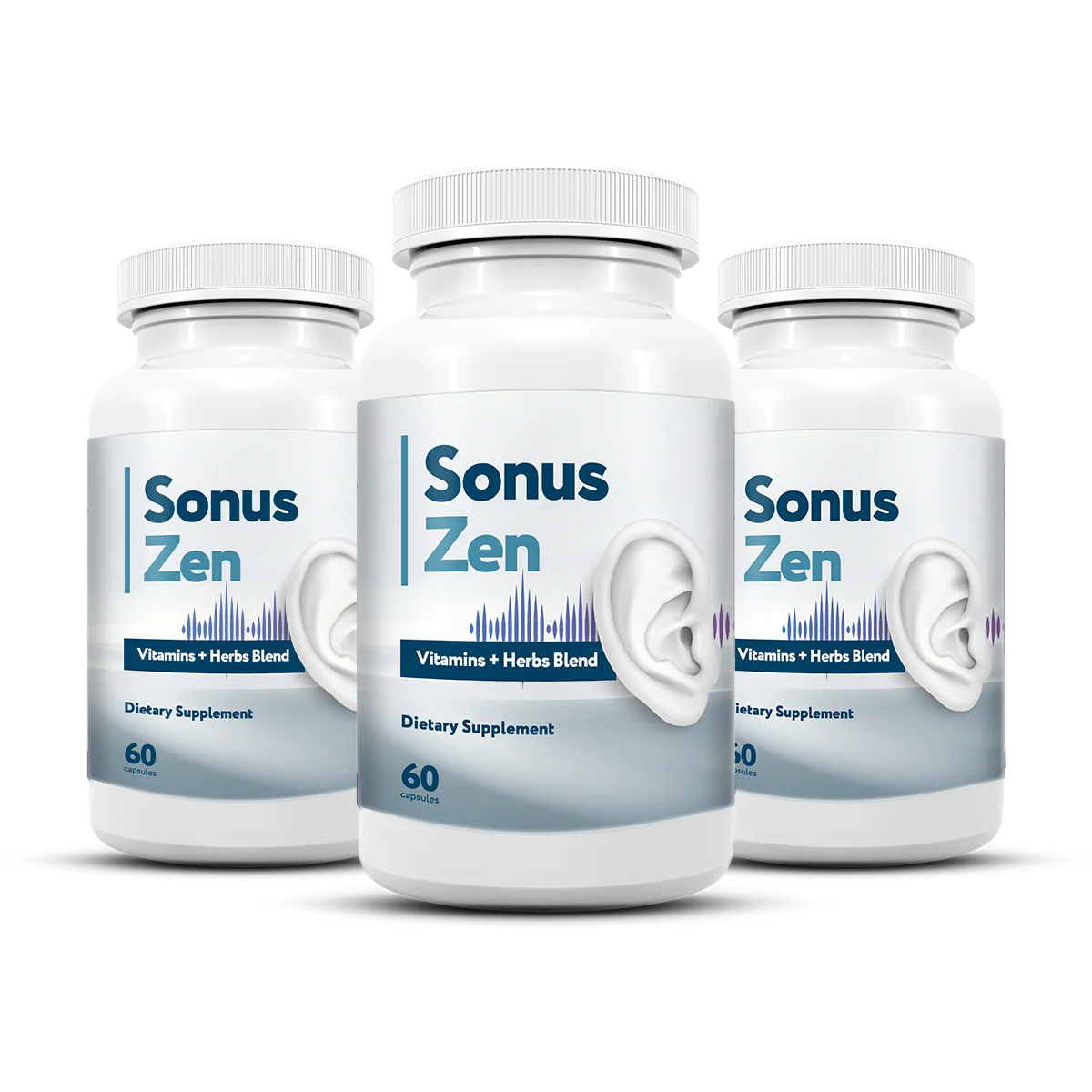
If you would rather not juggle separate mineral pills, SonusZen pairs auditory-support nutrients with cochlear blood-flow botanicals in a single once-daily capsule — read the full panel and decide with your clinician.
See the Official SonusZen OfferSide effects, safety and the interactions to check
Magnesium glycinate is well tolerated for most healthy adults, but “gentle” is not “risk-free”, and a few points deserve real attention. The most common side effect of taking too much is exactly what you would expect from a mineral with laxative cousins: loose stools and stomach cramps. That is the body's signal that you have overshot what your gut can absorb, and it is the everyday reason the 350 mg supplement upper limit exists.
The serious caveat is kidney function. Healthy kidneys clear excess magnesium efficiently, but in people with impaired kidney function magnesium can accumulate to genuinely dangerous levels. If you have any kidney disease, you must not self-dose magnesium — this is a conversation for your doctor, full stop. Magnesium also interacts with medications: it can reduce the absorption of certain antibiotics, such as tetracyclines and fluoroquinolones, if taken at the same time, and it can add to the effect of some blood-pressure medicines. The fix for the antibiotic issue is usually spacing the doses hours apart, but you should confirm the specifics with a pharmacist rather than guess. Our zinc for hearing loss dose and safety guide walks through the same kind of mineral-interaction thinking if you are stacking more than one.
Three myths worth clearing up
“If a little helps, a lot will help faster.” No. Above the amount your gut can absorb, extra magnesium mostly leaves as loose stools, and in the wrong kidneys it becomes a hazard. There is no speed bonus for exceeding the sensible range — only side effects.
“Magnesium will cure my tinnitus.” It will not, and any page promising that is selling you something. At best, correcting a genuine shortfall may take the edge off for some people as one part of a broader plan that also addresses noise exposure, sleep, stress and any underlying hearing loss. Magnesium is a supporting player, not the hero.
“All magnesium supplements are basically the same.” They are not. Form changes absorption and gut tolerance dramatically, and the elemental content per pill varies widely. Two bottles with the same headline number can deliver very different amounts of usable magnesium. This is the whole reason the form and the elemental figure — not the brand — should drive your choice.
Where a formula like SonusZen fits
If juggling a standalone mineral appeals to you, dosing magnesium glycinate on its own is perfectly reasonable. But some people would rather not run a small pharmacy on the kitchen counter, and that is where a combined formula earns a look. SonusZen is a once-daily capsule that pairs auditory-support vitamins and minerals with cochlear blood-flow botanicals such as hawthorn berry, garlic and olive leaf. The idea is to address more than one lever at once — nerve and metabolic support from the micronutrients, and small-vessel circulation from the botanicals.
To be candid, SonusZen is not a proven tinnitus cure, and neither is standalone magnesium; hold both to the same evidence standard. The reason the blood-flow angle keeps appearing across hearing supplements is that the cochlea depends on a fragile network of tiny end-vessels, a topic we cover in detail in our explainer on cochlear blood flow and the supplements built around it. Whether you go the single-mineral route or a combined capsule, the honest checklist is identical: what is the elemental amount, is the form well absorbed, what does it interact with, and does the page claim support or over-promise a cure? If you want to see how a combined formula stacks up against buying pieces separately, our 2026 tinnitus supplement buyer's guide lays out the trade-offs.
Medical note: do not start supplemental magnesium if you have kidney disease without your doctor's sign-off, and space it apart from certain antibiotics. A sudden change in hearing, ringing in one ear only, or tinnitus with dizziness, ear pain or discharge needs a clinician, not a mineral. No supplement is proven to cure tinnitus.
Frequently asked questions
How much magnesium glycinate should I take for tinnitus?
Tinnitus studies have used roughly 200 to 400 milligrams of elemental magnesium per day, and some protocols went above 500 milligrams, but the tolerable upper intake level from supplements is 350 milligrams per day for ages nine and up. That upper limit applies to magnesium taken from pills, not the magnesium in food. A sensible, gentle starting point many people use is around 200 milligrams of elemental magnesium daily from the glycinate form, adjusted with a clinician who knows your kidney function and medications.
How long does magnesium take to help ear ringing?
Magnesium is not an on-off switch for tinnitus. If it is going to help at all, it usually needs a few weeks of consistent daily use before you can fairly judge it, because you are gradually restoring a mineral level rather than taking a fast-acting drug. Track your ringing before you start and again after four to eight weeks so you are comparing notes rather than relying on memory, and set a review date instead of refilling indefinitely.
Which form of magnesium is best for tinnitus?
For most people the glycinate form is the practical choice. Magnesium glycinate is generally better absorbed and much gentler on the gut than magnesium oxide, which is cheap but poorly absorbed and far more likely to cause loose stools at the doses relevant here. Glycinate lets you reach a useful intake with less digestive drama. There is no strong evidence that any single form is uniquely powerful against tinnitus, so tolerability and absorption are the sensible tie-breakers.
Can too much magnesium make tinnitus worse?
Excess supplemental magnesium is more likely to cause loose stools and stomach cramps than to worsen ringing, which is exactly why the 350 milligram daily supplement upper limit exists. In people with impaired kidney function, magnesium can build up to genuinely dangerous levels, so anyone with kidney disease must not self-dose. Magnesium can also interact with certain antibiotics and blood-pressure medicines, so check timing and interactions with a pharmacist before you start.
Scientific references
Related reading
See the full SonusZen panel and pack options
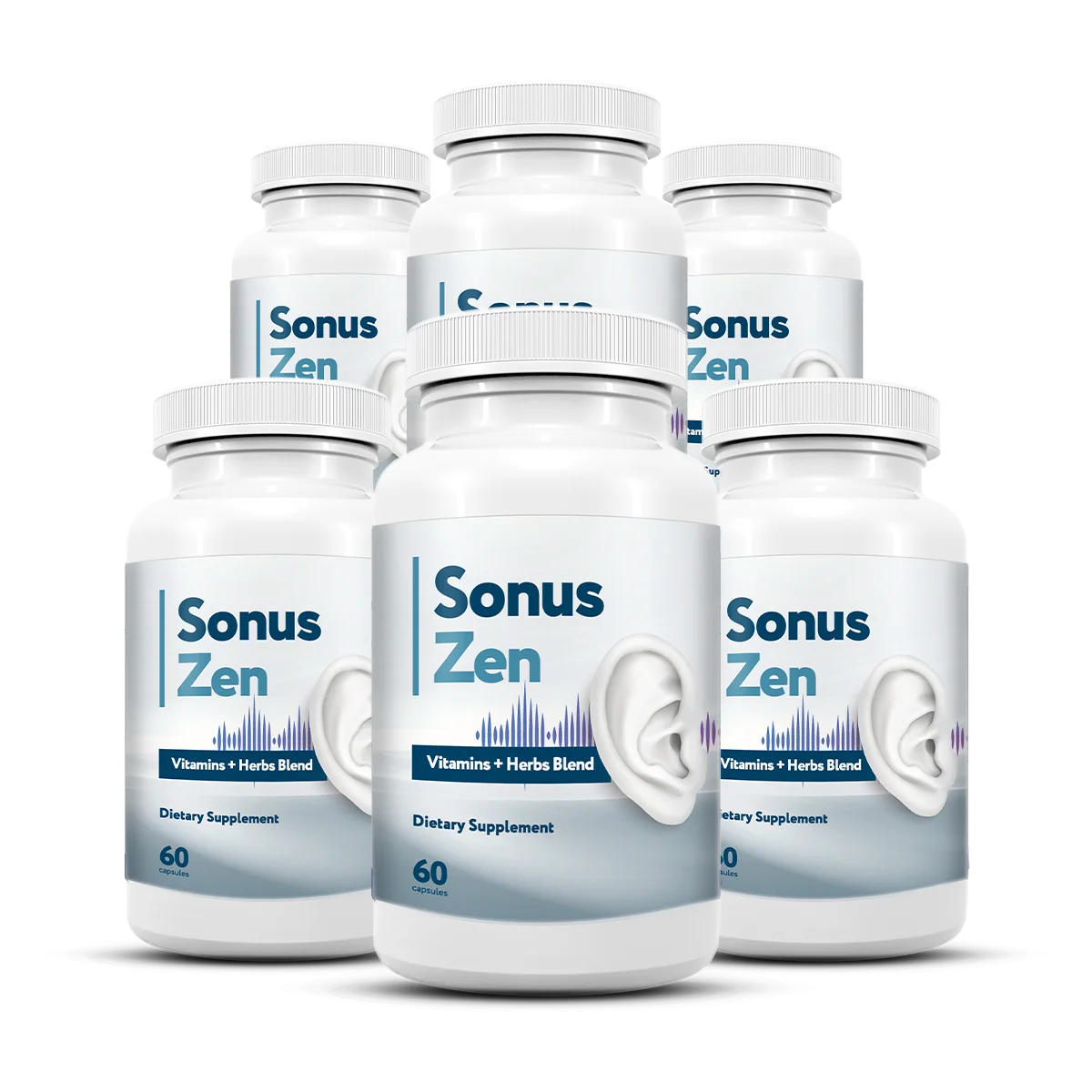
Every amount taken straight from the label, the once-daily minerals-plus-blood-flow logic behind the formula, and where to buy SonusZen through the official store rather than a marketplace listing.
Check Availability and Pack Options