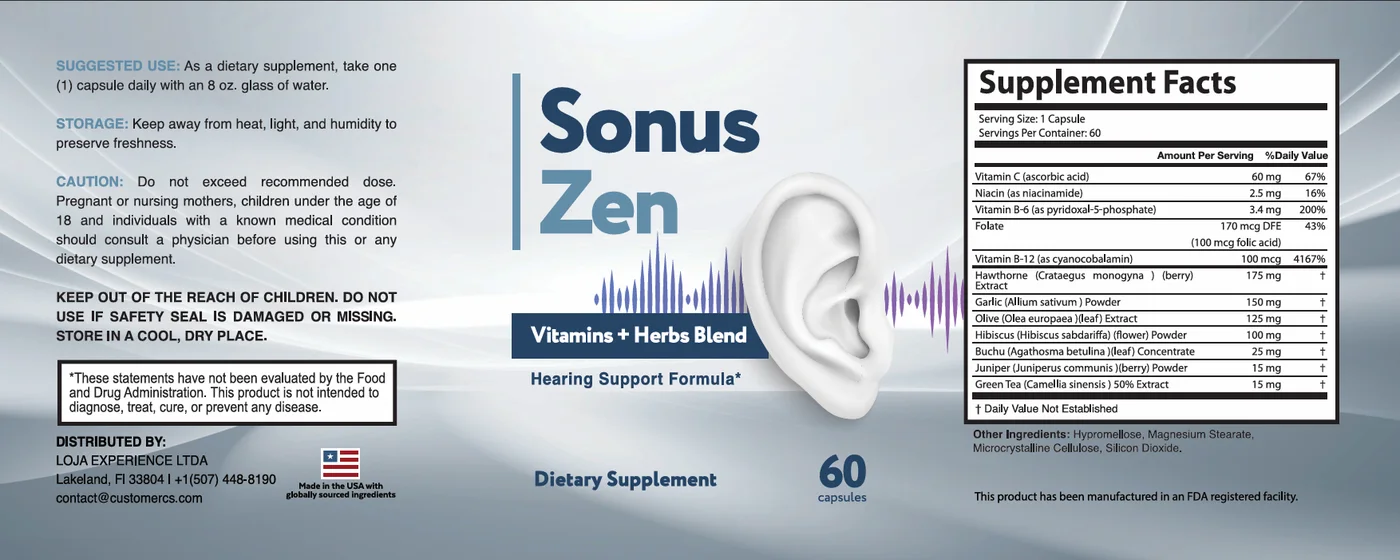
Your Supplement Says 4,167% Daily Value of B-12. Should You Worry?
Quick Answer: Is 4,167% DV of Vitamin B-12 Safe?
For almost everyone, yes. Vitamin B-12 is water-soluble and absorbed through a receptor system that saturates at roughly 1.5–2 mcg per dose, so only a tiny fraction of a 100 mcg tablet is taken up by that route and the remainder is either absorbed by passive diffusion at about 1% or passed out in urine. There is no Tolerable Upper Intake Level for B-12 because no consistent toxicity has been found. The percentage is large because the Daily Value is small (2.4 mcg), not because the dose is aggressive.
- Why so high: active absorption saturates, so oral doses overshoot deliberately.
- Upper limit: none set for B-12 — unlike vitamin A, D, niacin or B-6.
- Real caveat: high-dose B-12 can mask a diagnosis, and it interferes with some blood tests.
The Daily Value is a labelling convention, not a ceiling
The %DV column exists so shoppers can compare products, and it is calculated against a single reference figure for the whole adult population. For vitamin B-12 that figure is 2.4 mcg a day. Divide a 100 mcg dose by 2.4 and you get 4,167%. Nothing about that number describes risk; it describes arithmetic.
Compare it with vitamin C in the same panel. 60 mg against a 90 mg DV reads as 67%. The vitamin C dose is 25,000 times heavier in milligrams and shows a percentage 60 times smaller, purely because the two reference values are on different scales.
Why B-12 is deliberately overshot
B-12 absorption is the reason. Dietary B-12 has to be freed from food protein, bound to intrinsic factor made in the stomach, and taken up by a specific receptor in the terminal ileum. That pathway saturates at roughly 1.5 to 2 mcg per meal. Beyond that, absorption falls back on passive diffusion, which captures only about 1% of what is swallowed.
So a 100 mcg oral dose delivers something in the region of 1–2 mcg through the receptor plus roughly 1 mcg by diffusion. The apparently enormous dose is how you reliably get a couple of micrograms into someone whose absorption may be impaired — which is common with age, metformin use, long-term proton-pump inhibitors, or after gastric surgery.
Which %DV figures actually deserve a second look
| Nutrient | Upper limit set? | What a very high %DV means |
|---|---|---|
| Vitamin B-12 | No UL | Normal for oral dosing; not a concern |
| Vitamin B-6 | UL 100 mg/day | Chronic high doses can cause peripheral neuropathy |
| Niacin | UL 35 mg/day (as nicotinic acid) | Flushing, and liver stress at gram doses |
| Folic acid | UL 1,000 mcg/day | Can mask B-12 deficiency anaemia |
| Vitamin A (retinol) | UL 3,000 mcg/day | Genuinely toxic in excess; teratogenic |
| Vitamin D | UL 100 mcg/day | Hypercalcaemia at sustained high intakes |
That table is the useful skill. A four-figure percentage next to B-12 is unremarkable. The same percentage next to vitamin A or vitamin D would be a reason to put the bottle down. The minerals are where this matters most in practice, because they do have upper limits that a stacked routine can cross — the same arithmetic runs through our magnesium glycinate dose guide for tinnitus, where the ceiling is set by supplemental magnesium alone rather than by total intake.
The two real caveats
First, high-dose B-12 can paper over a diagnosis. If someone has pernicious anaemia or another malabsorption problem, self-supplementing may normalise their blood counts while the underlying cause goes unexamined. That is a reason to test, not a reason to avoid B-12. It is also the reason the old drugstore B-vitamin-and-bioflavonoid formulas keep selling on a promise the trial record never supported, a history we trace in our look at whether Lipoflavonoid actually works for tinnitus.
Second, it distorts lab work. Serum B-12 will read high for weeks after supplementation, so if a clinician wants to measure your status, tell them what you have been taking. High-dose biotin, for what it is worth, is the supplement that genuinely interferes with common immunoassays including troponin — B-12 is not in that category.
The question worth asking instead
Not “is this dose too high” but “is this dose doing anything for me”. B-12 supplementation corrects a deficiency. If you are not deficient, topping up further has no demonstrated benefit for hearing, energy or anything else. The people most likely to gain are those over 50, on metformin or long-term acid suppression, or eating no animal products — and a blood test answers that question far better than a label does. That test-first logic applies to the whole B-and-C group, which is why our ranking of which vitamins for tinnitus actually help sorts them by whether correcting a deficiency was ever shown to change hearing, not by dose size.
Medical note: if you suspect a B-12 deficiency, ask for a blood test rather than self-treating. Supplementing first can normalise the numbers while leaving the cause — which can be pernicious anaemia or malabsorption — undiagnosed.
Scientific references
Frequently asked questions
Is 4,167% DV of vitamin B-12 too much?
No. There is no Tolerable Upper Intake Level for vitamin B-12 because no consistent toxicity has been demonstrated. The percentage is high because the Daily Value is only 2.4 mcg, and because oral B-12 absorption saturates at around 1.5 to 2 mcg per dose, so supplements deliberately overshoot.
Why do B-12 supplements use such large doses?
Active absorption requires intrinsic factor and a receptor in the ileum, and that route saturates at roughly 1.5 to 2 mcg per dose. Everything beyond that is absorbed by passive diffusion at about 1% efficiency. A 100 mcg tablet is the way to reliably deliver a couple of micrograms even when absorption is impaired.
Which vitamins are actually dangerous at high %DV?
Vitamin A and vitamin D are fat-soluble and genuinely toxic in excess. Vitamin B-6 has an upper limit of 100 mg per day because chronic high intakes can cause peripheral neuropathy. Nicotinic-acid niacin has a 35 mg upper limit. Folic acid above 1,000 mcg can mask B-12 deficiency.
Does taking B-12 affect blood tests?
Yes, serum B-12 will read high for weeks after supplementing, so tell your clinician what you are taking before they interpret the result. High-dose biotin is the supplement that interferes most with common immunoassays; B-12 does not have that problem.
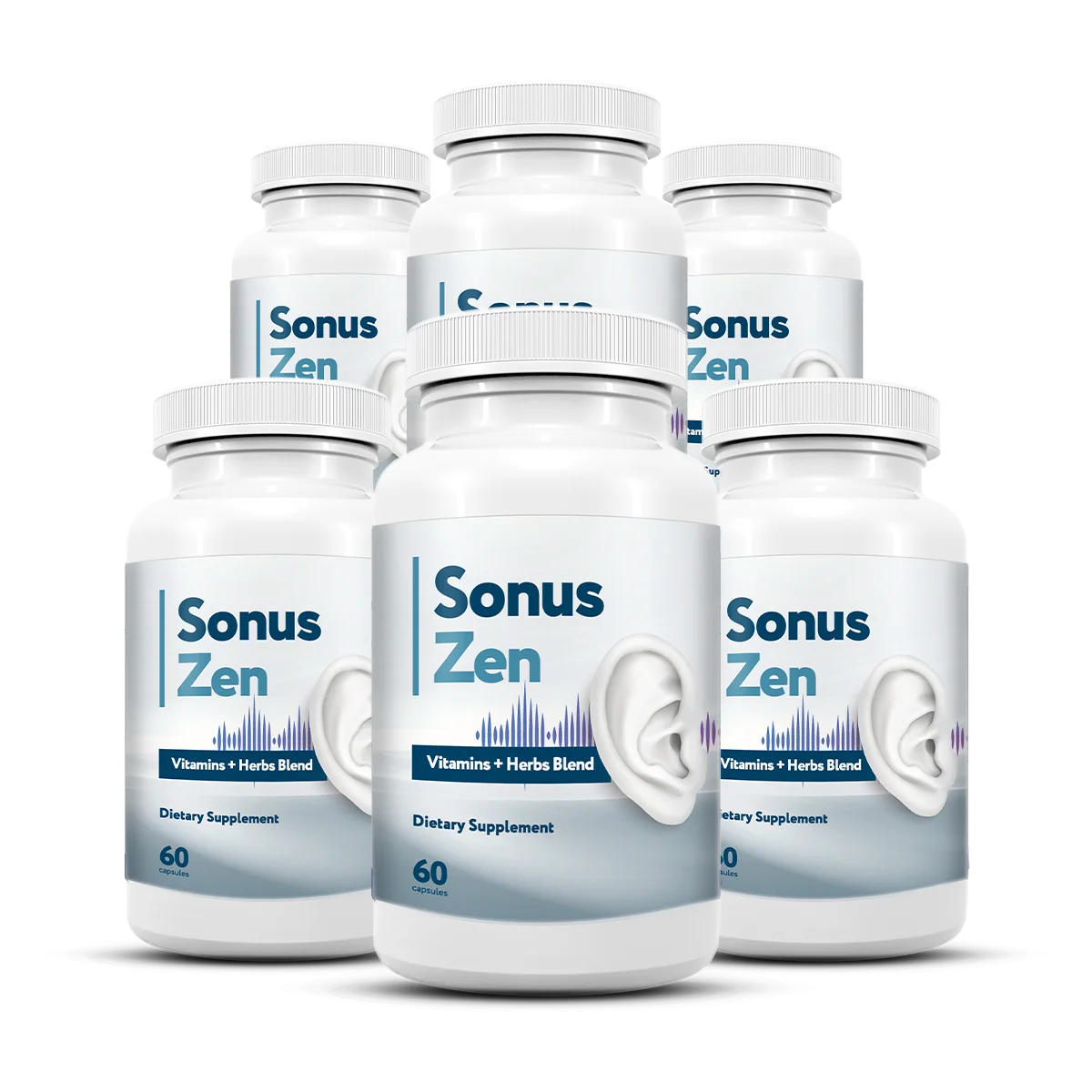
See the full SonusZen panel
Every vitamin and botanical in the formula, with the amount from the label and an honest read on what the evidence supports.
Read the SonusZen Review