Lipoflavonoid for Tinnitus: Does It Work, or Are You Buying Hope by the Caplet?
Quick Answer: Does Lipoflavonoid Work for Tinnitus?
The evidence for lipoflavonoid for tinnitus is weak and conflicting. The only fully independent randomized trial found no benefit over placebo, and independent 2016 and 2022 studies showed no significant improvement, while a 2021 company-funded study reported reduced symptom intensity. It is not a cure, the daily load can reach six caplets, and user ratings run mostly negative.
- Independent trials: no significant benefit over placebo.
- Core ingredient: eriodictyol glycoside, a citrus bioflavonoid, plus B-vitamins.
- Watch: a six-caplet loading dose linked to nausea and stomach upset.
Lipoflavonoid for tinnitus: the most-searched name in the category
If you have typed “lipoflavonoid for tinnitus” into a search bar, you are in enormous company. It is arguably the single most recognised supplement name in the ringing-ears conversation, stocked on pharmacy shelves for decades and recommended in the same breath as “have you tried the yellow box?” That familiarity does a lot of quiet persuading. When a product has been around long enough to feel like the default, we tend to assume the evidence caught up years ago. With lipoflavonoid, that assumption is exactly where things get complicated, and it is worth slowing down before you commit money and months to it.
The honest job of this article is not to trash a household name or to talk you into a different bottle on reflex. It is to line up what the studies actually found, what the label actually contains, and what real buyers actually report, then let you decide with your eyes open. Tinnitus is genuinely miserable, the mainstream toolkit manages distress more than it deletes the sound, and into that gap steps a friendly, long-established caplet. The kindest thing anyone can do is tell you plainly what it can and cannot be expected to do.
What is actually inside lipoflavonoid?
Strip away the branding and the formula is not exotic. The signature active is a citrus bioflavonoid called eriodictyol glycoside, historically drawn from lemon, and it is paired with a stack of B-vitamins — typically vitamin C, thiamine (B1), riboflavin (B2), niacin, B6, folate, pantothenic acid and B12. That is the whole idea: a bioflavonoid thought to support small-vessel circulation, propped up by water-soluble vitamins involved in nerve and metabolic function.
None of those ingredients are dangerous or fringe. They are the kind of nutrients you would find in a decent citrus-and-B complex. The question is not whether they are real; it is whether this particular combination, at these amounts, measurably quiets tinnitus. And that is where the marketing and the science begin to pull apart. A recognisable ingredient list is not the same as a proven outcome, a theme we return to constantly in our breakdown of which vitamins for tinnitus actually have evidence behind them.
The label at a glance
| Feature | Typical lipoflavonoid caplet |
|---|---|
| Signature active | Eriodictyol glycoside (citrus bioflavonoid) |
| Support nutrients | Vitamin C plus a full B-vitamin stack |
| Suggested loading dose | Up to 6 caplets per day (2 caplets, 3× daily) |
| Framing | Multi-week trial, not an overnight fix |
| Proven to cure tinnitus? | No — no product is |
What the studies actually show about lipoflavonoid for tinnitus
Here is the part the yellow box does not print on the front. Despite lipoflavonoid's long shelf life, the independent evidence that it beats a placebo is thin to non-existent. The only fully independent randomized controlled trial — the gold-standard design where neither patient nor researcher knows who got the real caplet — found no benefit over placebo. Two further independent studies, one in 2016 and one in 2022, likewise reported no significant improvement in tinnitus.
Against that sits a single 2021 study funded by Clarion Brands, the company that markets the product, which ran for ten weeks and reported a reduction in symptom intensity. Company-funded research is not automatically wrong, but it is exactly the kind of result independent trials exist to check, and here the independent trials did not confirm it. When the only positive study is paid for by the seller and the neutral studies come back flat, the sober reading is that any real effect is small at best and may be indistinguishable from the well-known placebo response that plagues all tinnitus research.
The professional bodies have noticed. The 2014 clinical practice guideline from the American Academy of Otolaryngology – Head and Neck Surgery explicitly recommends against dietary supplements for patients with persistent, bothersome tinnitus, precisely because the evidence does not support them. That is not a fringe opinion; it is the mainstream ear-nose-throat consensus, and lipoflavonoid falls squarely inside the category it is talking about.
The realistic read on lipoflavonoid is not “it definitely fails” but “the only supportive trial was funded by the maker, every independent trial came back flat, and the specialist guideline advises against the whole category”. That is a weak hand to bet months of dosing on.
Comparing hearing formulas the honest way
If you are weighing lipoflavonoid against another approach, read the Supplement Facts panel before the sales copy — the amounts, the form and the daily pill burden tell you far more than decades of shelf presence do.
See the Official SonusZen OfferThe six-caplets-a-day problem
Even setting the evidence aside, lipoflavonoid asks a lot of your daily routine. The classic loading protocol is two caplets three times a day — six caplets daily — for the first stretch of use. That is a meaningful pill burden, and it is where the practical complaints cluster. A high bioflavonoid-and-vitamin load taken on repeat has been linked by users to nausea, vomiting and general stomach upset, the kind of gastrointestinal grumbling that makes people quietly abandon a bottle before they ever reach a verdict.
This matters for two reasons. First, side effects that push people off the product muddy any honest read of whether it worked. Second, six caplets a day is simply a harder habit to keep than a once-daily capsule, and adherence is the unglamorous factor that decides whether any supplement gets a fair trial at all. A product you skip is a product that cannot help you, regardless of what its formula promises.
What real users say — and how to read reviews honestly
Consumer ratings are not clinical evidence, but they are a useful sanity check on real-world experience, and lipoflavonoid's are sobering. On Drugs.com the product carries a user rating of roughly 4.1 out of 10. Only about 31 percent of reviews are positive, while around 57 percent are negative. That is not the profile of a product delivering reliable relief; it is the profile of one that works for a minority and disappoints the majority, with side effects and cost dragging the score down.
Read those reviews the way you would read any: discount the extremes at both ends, look for the middle-of-the-road accounts, and notice what people complain about specifically. With lipoflavonoid, the recurring themes are “no change in my ringing” and “upset my stomach” rather than isolated flukes. A skewed-negative rating from a large pool of buyers is a signal worth respecting, especially when it lines up with what the independent trials found.
Three objections worth answering head-on
“But it has been sold for decades — surely it must work?” Longevity on a shelf reflects marketing, distribution and brand recognition at least as much as efficacy. Plenty of long-established remedies predate the modern randomized trial, and lipoflavonoid is a case where the trials, when finally run independently, did not back the reputation. Age is not evidence.
“My pharmacist or a forum recommended it.” Recommendations often reflect familiarity rather than a fresh look at the data, and the specialist guideline that actually reviewed the evidence advises against supplements for bothersome tinnitus. A friendly suggestion is a starting point for a conversation with your own clinician, not a substitute for one.
“What is the harm in trying?” The harm is rarely dramatic, but it is real: money spent, a six-caplet habit to maintain, possible stomach upset, and — most costly of all — weeks of delay before you pursue an approach with better support or get your hearing properly assessed. “Low harm” is not the same as “good value”. For a wider view of what the research does and does not support, our evidence review of supplements for hearing loss is a useful next stop.
Where SonusZen fits as a lower-dose alternative
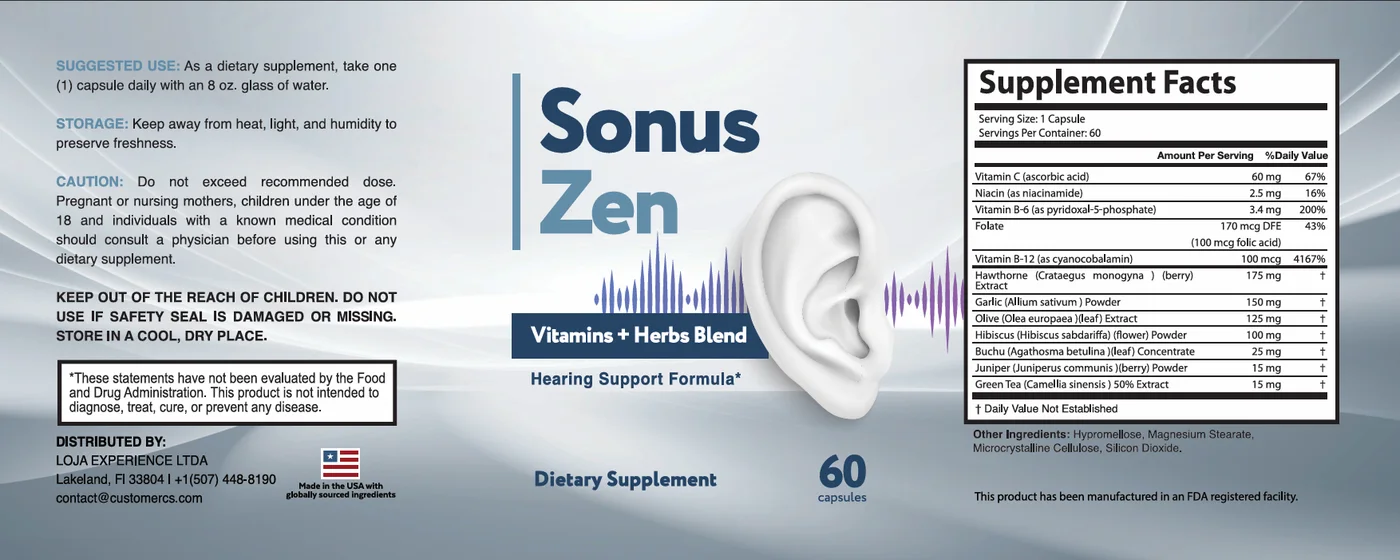
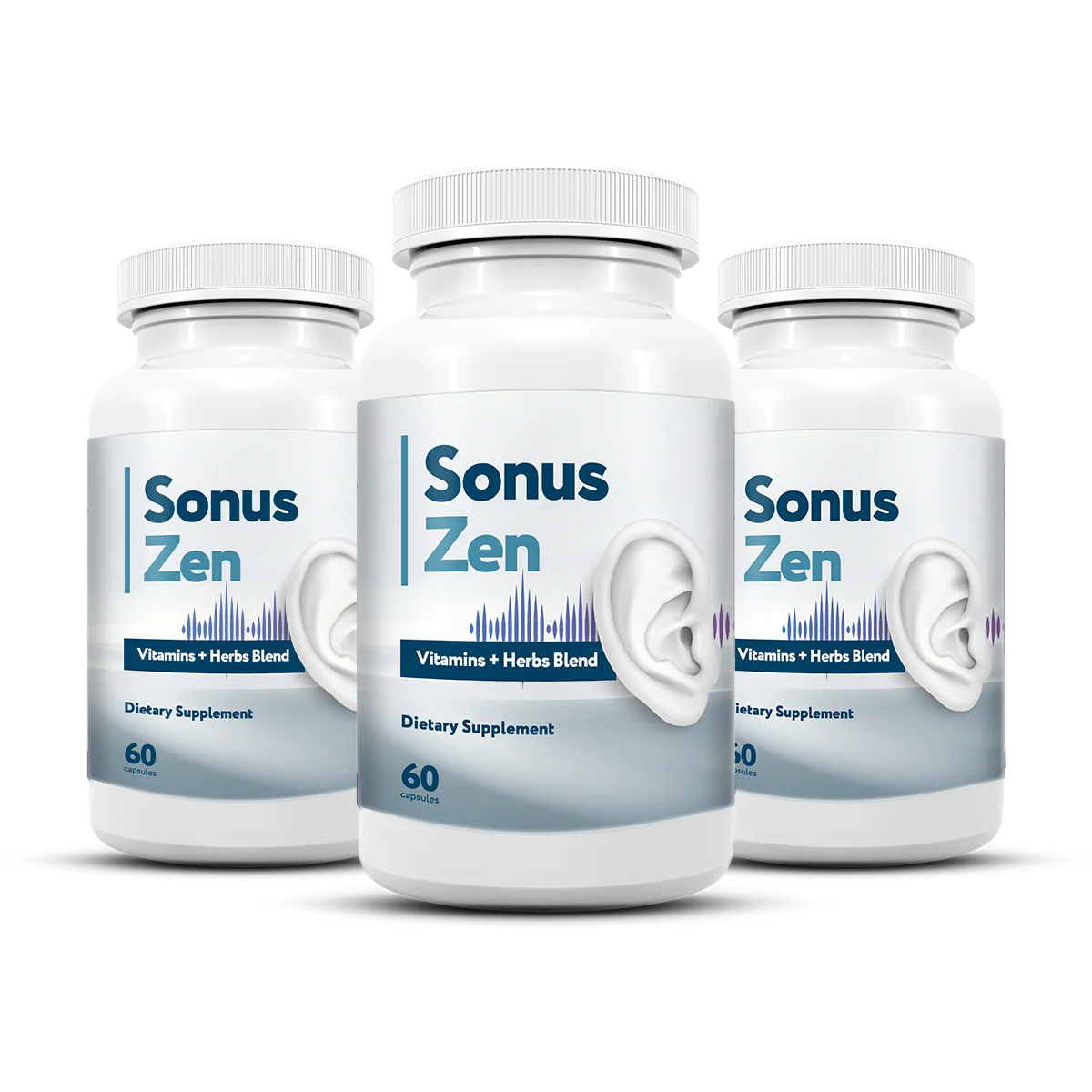
To be clear, and this site would be worthless if we were not: SonusZen is not a proven tinnitus cure either, and no honest page will tell you otherwise. What it offers is a different design philosophy, and if lipoflavonoid's approach does not appeal, the contrast is worth understanding. Where lipoflavonoid centres on a citrus bioflavonoid plus a B-stack taken at up to six caplets a day, SonusZen is a once-daily capsule built around cochlear blood-flow botanicals — hawthorn berry, garlic, olive leaf, hibiscus and green tea — alongside targeted vitamins and minerals at sensible doses rather than a heavy loading protocol.
The logic behind that blood-flow angle is that the cochlea is metabolically hungry and depends on a fragile network of tiny vessels, so supporting circulation is a coherent hypothesis for hearing support. We unpack that reasoning in depth in our explainer on how to choose a tinnitus supplement in 2026. Neither the bioflavonoid route nor the botanical route has a trial proving restored hearing, so the fair comparison is not “which one works” but “which approach, dose and daily habit makes sense for me, and what does my clinician say?” A once-daily capsule at sensible doses is, for many people, simply an easier and gentler experiment to run than six caplets a day.
Medical note: a sudden change in hearing, tinnitus in only one ear, or ringing paired with dizziness, ear pain or discharge needs a clinician, not a caplet. No supplement — lipoflavonoid, SonusZen or any other — is a substitute for an audiology assessment, and none is proven to cure tinnitus.
Frequently asked questions
Does lipoflavonoid actually work for tinnitus?
The honest answer is that the evidence is weak and conflicting. The only fully independent randomized controlled trial found no benefit over placebo, and separate independent studies in 2016 and 2022 also showed no significant improvement. A 2021 study funded by the maker, Clarion Brands, reported reduced symptom intensity over ten weeks. The 2014 American Academy of Otolaryngology guideline recommends against dietary supplements for persistent bothersome tinnitus. Lipoflavonoid is not a cure and should not replace an audiology assessment.
How long does lipoflavonoid take to work?
The product's own materials and the company-funded study frame it as a multi-week trial rather than an overnight fix, with the ten-week study running its full course before reporting any change. In practice most protocols suggest giving it several weeks to a few months at the labelled dose before judging it. Because the independent evidence is largely negative, a longer trial does not guarantee a result, so set a fixed review date with your clinician rather than refilling indefinitely on hope.
What are the side effects of lipoflavonoid?
The most commonly reported issues tie back to the high loading dose of up to six caplets a day, which some users link to nausea, vomiting and general stomach upset. On Drugs.com the product carries a user rating of about 4.1 out of 10, with roughly 31 percent of reviews positive and 57 percent negative, and gastrointestinal complaints feature heavily. As with any bioflavonoid and B-vitamin product, check for interactions and stop if you develop a reaction, discussing it with a pharmacist.
Is SonusZen a better alternative to lipoflavonoid?
Better is the wrong frame, because neither product is a proven tinnitus treatment and honest comparison means holding both to the same standard. What differs is the approach: lipoflavonoid centres on a citrus bioflavonoid, eriodictyol glycoside, plus B-vitamins at a six-caplet daily load, while SonusZen uses a once-daily capsule built around cochlear blood-flow botanicals such as hawthorn and garlic alongside targeted B-vitamins at sensible doses. Read both Supplement Facts panels and decide with a clinician; results are never guaranteed.
Scientific references
Related reading
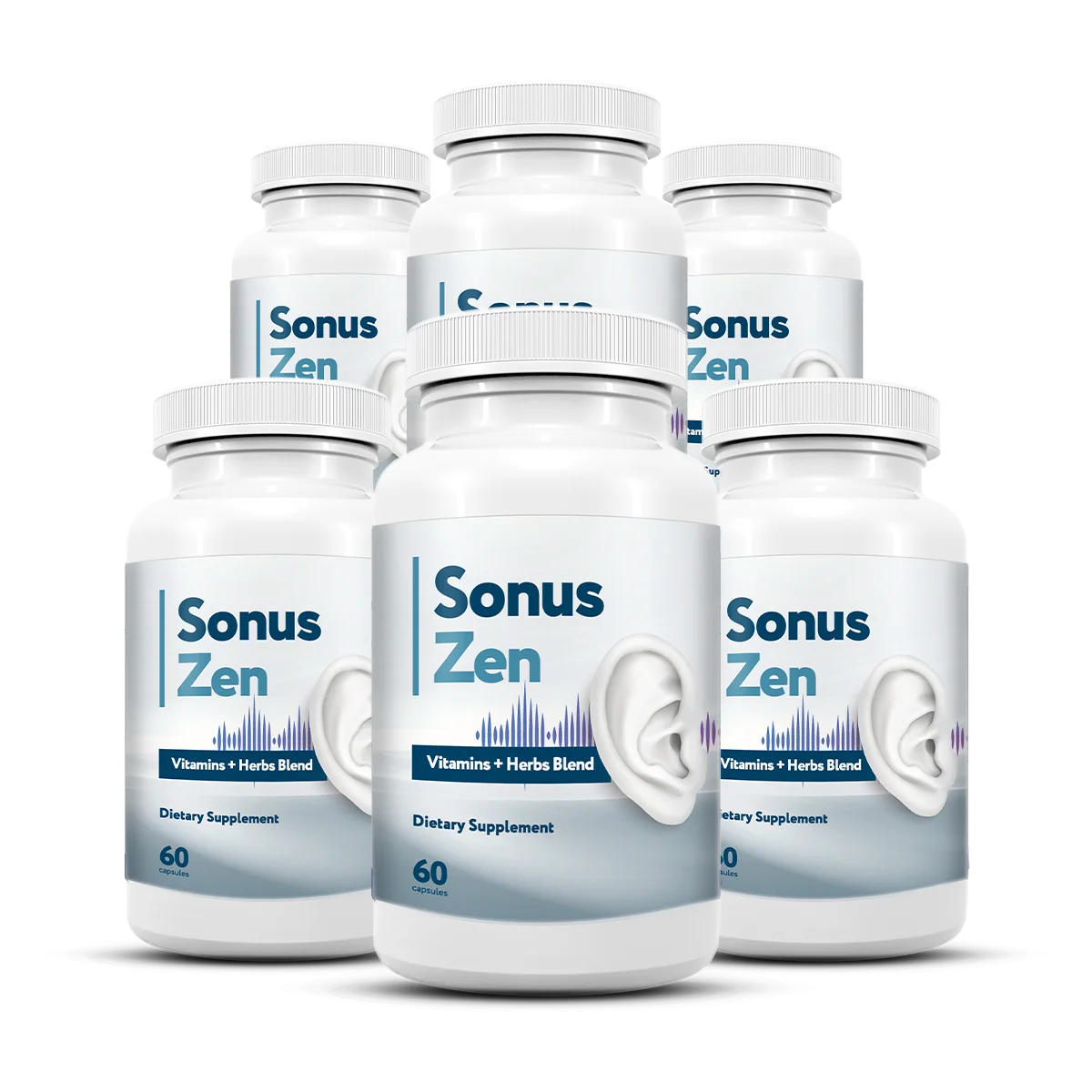
See the full SonusZen panel and pack options
Every amount taken straight from the label, the once-daily blood-flow logic behind each botanical, and where to buy SonusZen through the official store rather than a marketplace listing.
Check Availability and Pack Options